Top 5 Wireless Microphones for Live Translation: A Comprehensive Guide
At Hope Translator, our team relies heavily on wireless microphones for our daily translation work. After extensive testing of numerous models, we've gained valuable insights into what makes a great wireless microphone system. In this guide, we'll share our findings and help you choose the perfect wireless microphone for your translation needs.
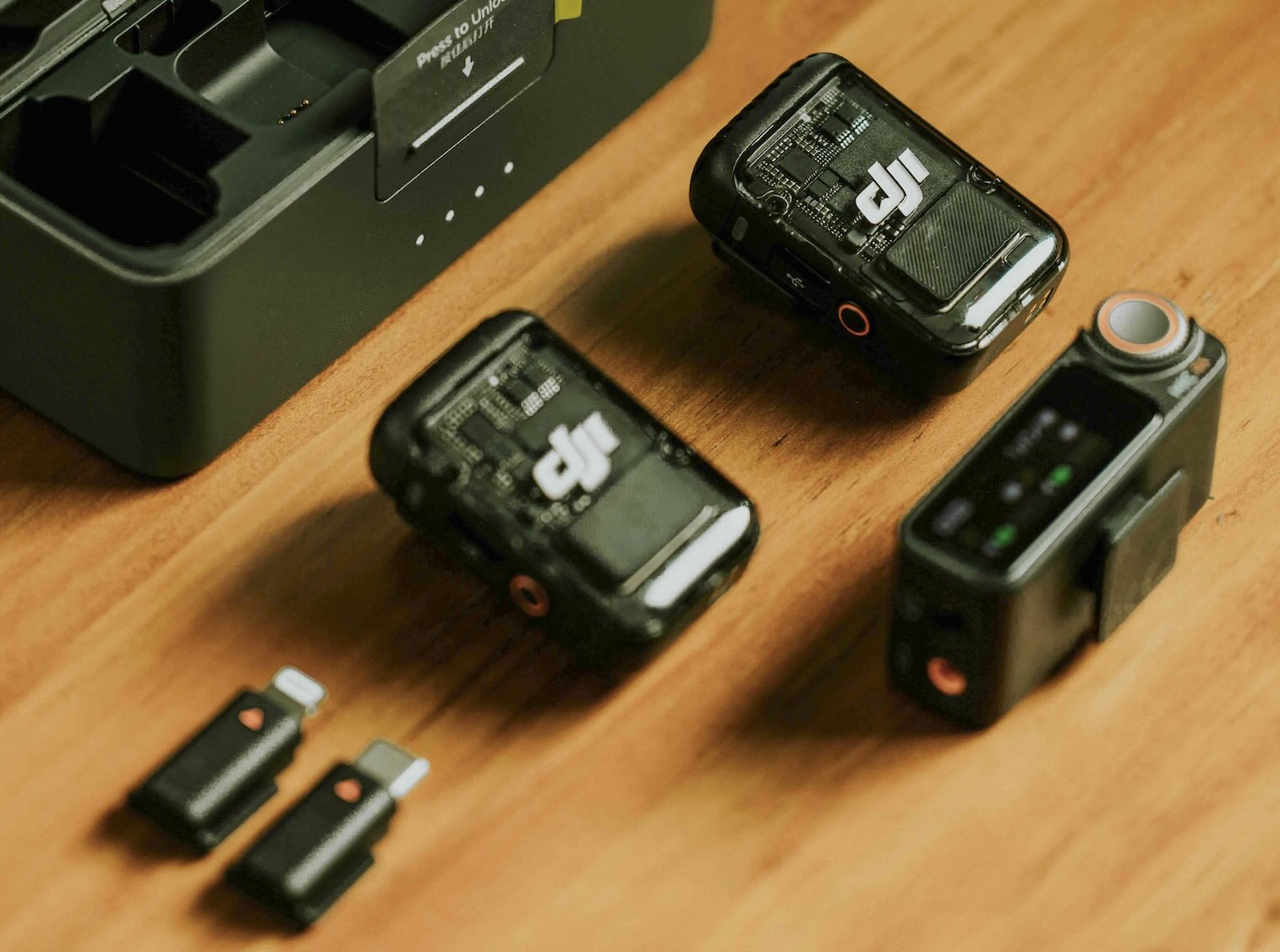
Why Wireless Microphones Are Essential for Translation Work
Wireless microphones have revolutionized the way we work in the translation industry. They offer unparalleled freedom of movement, allowing translators to maintain optimal positioning while working. This is particularly crucial in live translation scenarios where mobility and flexibility are key to delivering high-quality results.
Key Features to Consider
Audio Quality
High-quality audio recording is non-negotiable for professional translation work. Clear, crisp sound ensures accurate speech recognition and translation. This is essential for accurate transcription and hence translation - poor audio quality can lead to misinterpretations and errors in the final translation. Look for microphones with:
- Noise reduction capabilities
- High sampling rates (48KHz or higher)
- Uncompressed audio recording
- Built-in memory for recording
See the image below for the mobile app integration: When a USB microphone is plugged into your mobile device, the app will automatically detect and display all connected microphones, allowing you to select the one you want to use:
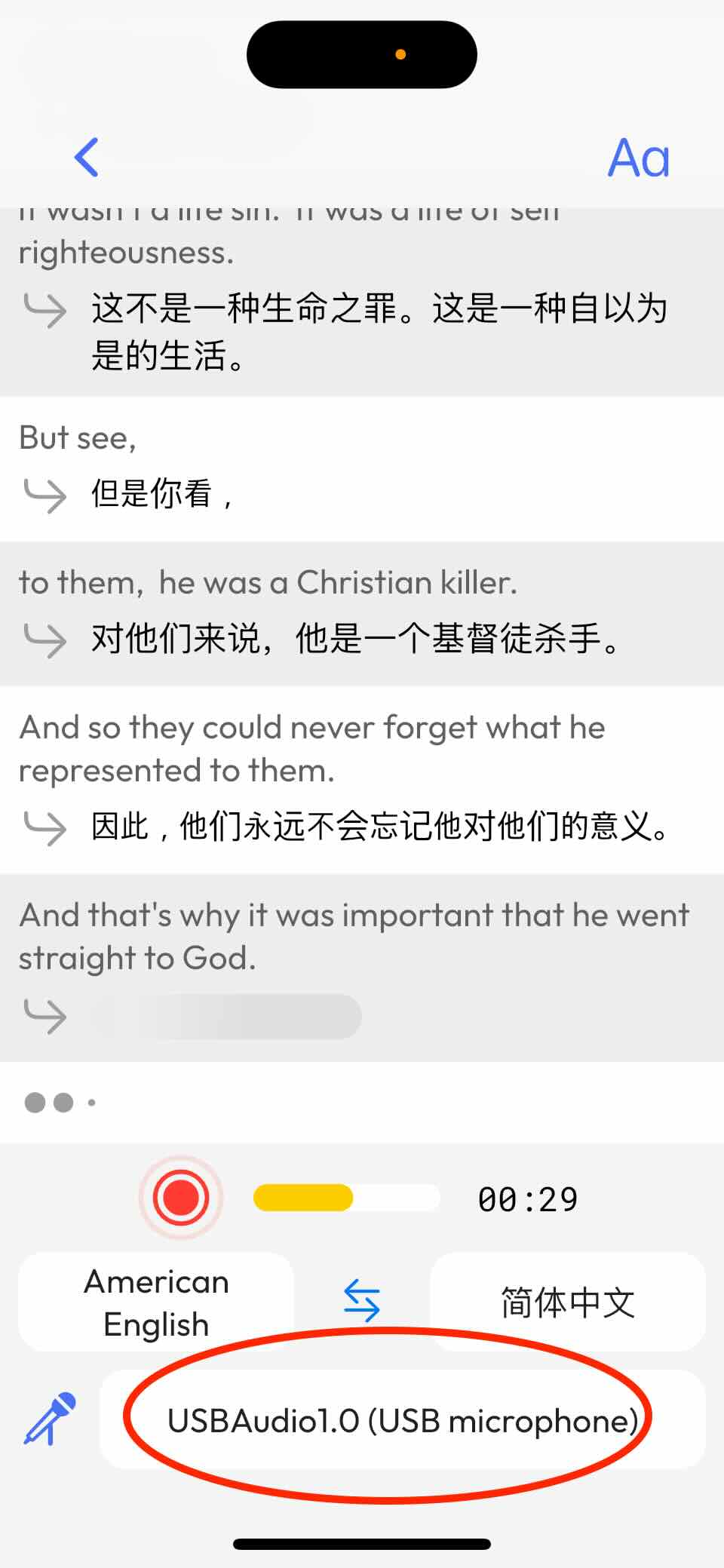
Download our mobile app: Get the latest version of our translation app with USB microphone support at https://hopetranslator.com/download
Battery Life
Long battery life is crucial for professional translation work. Our team often works extended hours, and running out of battery mid-session is simply not an option. The ideal wireless microphone should offer:
- At least 6-8 hours of continuous use
- Quick charging capabilities
- Battery level indicators
- Backup power options
Wireless Range
A good wireless range is essential for flexibility in various settings. Look for systems that offer:
- At least 300 feet of reliable transmission
- Stable connection without dropouts
- Multiple channel options for interference-free operation
Compatibility
Your wireless microphone system should work seamlessly with your existing equipment. Consider:
- Multiple device compatibility (smartphones, cameras, computers)
- Various connection options (3.5mm, USB-C, Lightning)
- Easy setup and configuration
Our Top 5 Wireless Microphone Recommendations
After extensive testing, we've compiled our top 5 wireless microphone recommendations for translation work. Here's our detailed breakdown:
Price: Under $100 Best Overall Value
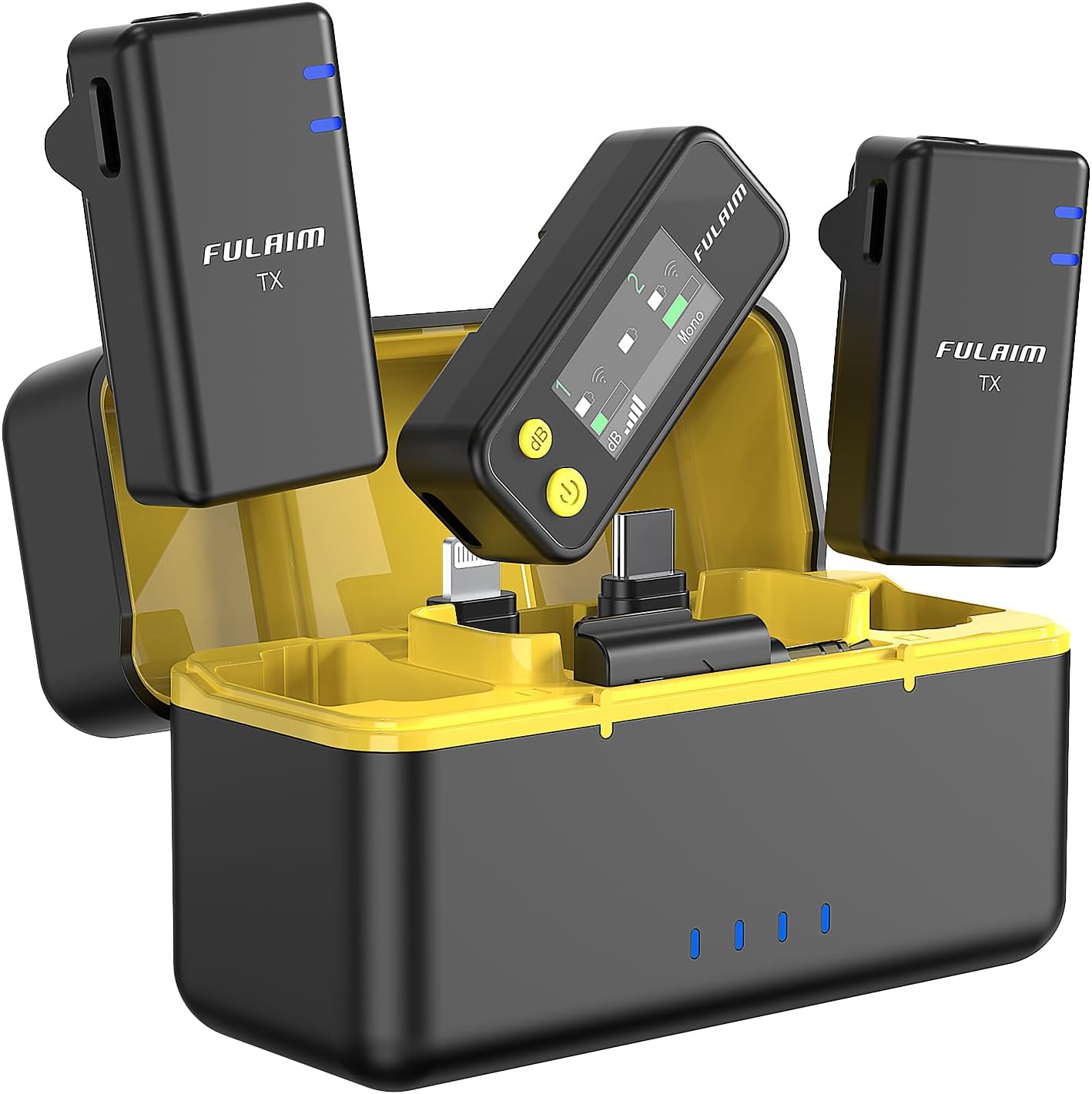
The FULAIM X5M stands out as our top recommendation for its exceptional value proposition. This system offers professional-grade features at an affordable price point:
- 18-hour battery life with charging case
- 656 feet wireless range
- Built-in 4GB memory for backup recording
- Universal compatibility (iPhone, Android, cameras)
- Real-time monitoring with TFT screen
- Three audio modes: stereo, mono, and secure track
Perfect for professional translation work, this system delivers reliability and quality without breaking the bank.
2. Rode Wireless GO II
Price: Over $200 Best Premium Option
The Rode Wireless GO II is the premium choice for those who demand the best:
- Dual-channel recording capability
- 7-hour battery life
- 200-meter range
- Professional-grade audio quality
- USB-C charging
- Built-in safety channel
While more expensive, the Rode Wireless GO II offers unmatched build quality and reliability, making it ideal for high-stakes translation work.
3. DOQAUS Wireless Lavalier Microphone
Price: Around $20 Best Budget Option
The DOQAUS wireless system offers basic functionality at an extremely affordable price:
- 6-hour battery life
- 50-meter range
- Simple plug-and-play operation
- Basic noise reduction
- Compatible with most devices
While limited in range, this system is perfect for small-scale translation work or as a backup system.
4. Professional Wireless Lavalier Microphone
Price: Under $20 Best Entry-Level Option
This basic wireless system is ideal for beginners or small settings:
- 5-hour battery life
- 30-meter range
- Simple operation
- Basic audio quality
- Universal compatibility
Perfect for small meetings or as a starter system for new translators.
5. DJI Mic (Older Model)
Price: Varies Best Legacy System
The older DJI Mic model remains a solid choice:
- 5-hour battery life
- 250-meter range
- Professional audio quality
- Dual-channel recording
- Built-in storage
While not the newest model, it's still a reliable workhorse for translation work.
How to Choose the Right System
When selecting a wireless microphone system for translation work, consider these factors:
- Budget: The FULAIM X5M offers the best balance of features and price
- Range Requirements: Consider your typical working environment
- Battery Life: Longer sessions require systems with extended battery life
- Audio Quality: Higher-end systems offer better noise reduction and clarity
- Compatibility: Ensure the system works with your existing equipment
Practical Tips for Using Wireless Microphones
Here are some valuable tips we've learned from our extensive experience with wireless microphones:
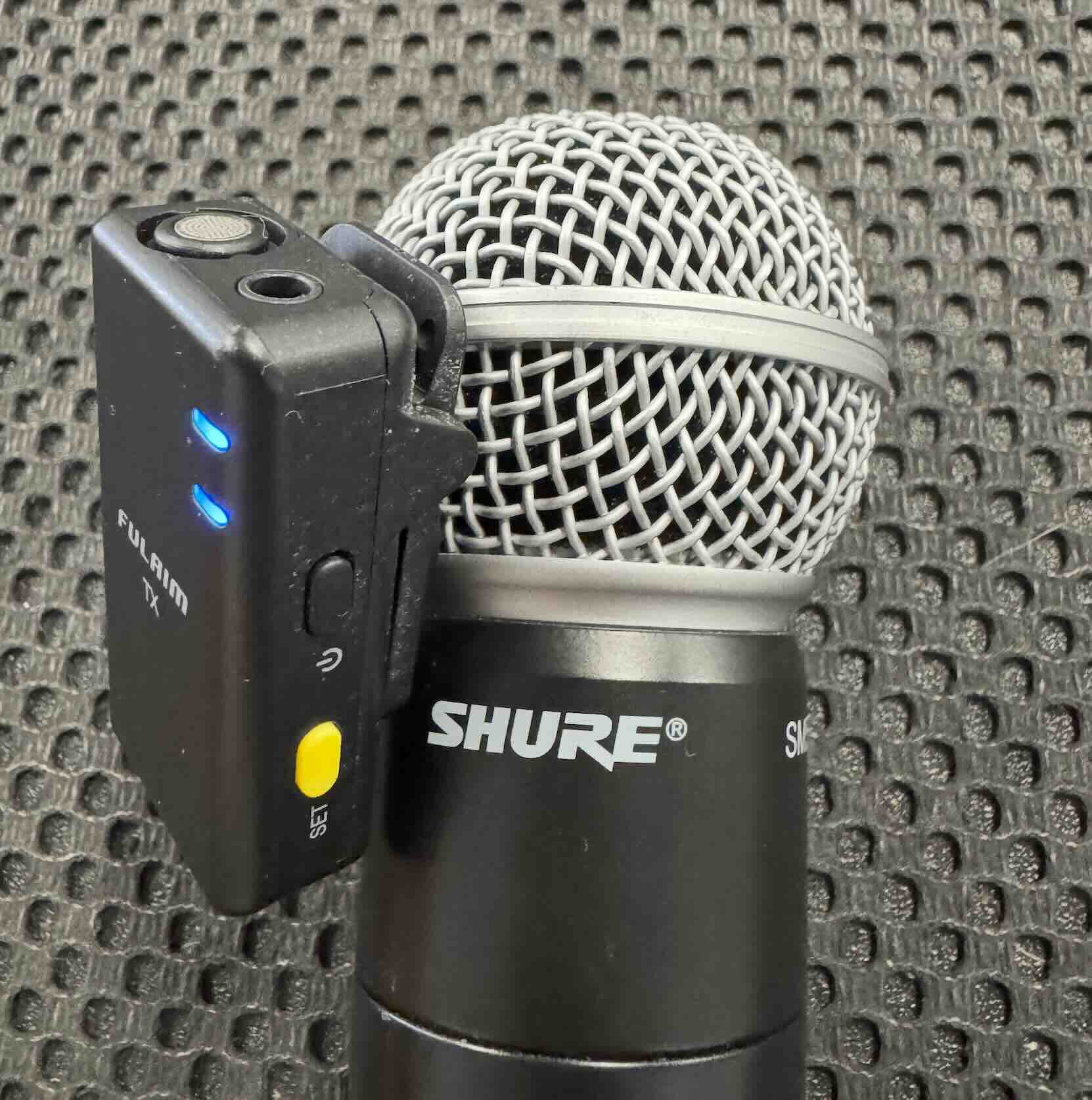
- Magnetic Attachment: Many wireless microphones come with a magnetic attachment that can be used to connect to existing wired microphones. The magnet is surprisingly strong and provides a secure connection, making it perfect for situations where you need to quickly switch between different microphone setups.
Below is an example of how we've used this setup in the past - see how the wireless lavalier microphone is securely attached to the wired microphone using the magnetic connection.
-
Simpler Setup: In many cases, using a wireless microphone is actually easier than trying to connect to a sound mixer. This is especially true in situations where you need to quickly set up or when working in venues with complex audio systems. The wireless setup eliminates the need for complex cable routing and mixer configuration.
-
Noise Cancellation: When working in environments with background noise or music, the transcription quality can be significantly affected. In these situations, make sure to enable the noise cancellation option on your wireless microphone. This feature can dramatically improve the audio quality and, consequently, the translation accuracy.
-
Multiple Speakers: When you need to translate a conversation between multiple people, using multiple wireless microphones is the way to go. For example, when two people are having a conversation, simply give each person their own wireless microphone. This setup requires no additional configuration and ensures clear audio capture from each speaker, making the translation more accurate and natural.
Conclusion
While all these systems can serve translation work effectively, the FULAIM X5M stands out as our top recommendation for its combination of features, reliability, and value. However, the right choice ultimately depends on your specific needs and budget constraints.
Remember that investing in quality audio equipment is an investment in the quality of your translation work. The right wireless microphone can make a significant difference in your professional output and client satisfaction.
For more information about translation equipment and best practices, visit our Resources section.
Try our mobile app: Get the latest version of our translation app with USB microphone support at https://hopetranslator.com/download